903 Physical Therapy
Whitesboro, Tx
Back Pain? See a Physical Therapist Before a Specialist
Nov. 13th 2026
By 903 Physical Therapy PLLC
903 Physical Therapy
Whitesboro, Tx
Back Pain? See a Physical Therapist Before a Specialist
By 903 Physical Therapy
Nov. 13th 2026
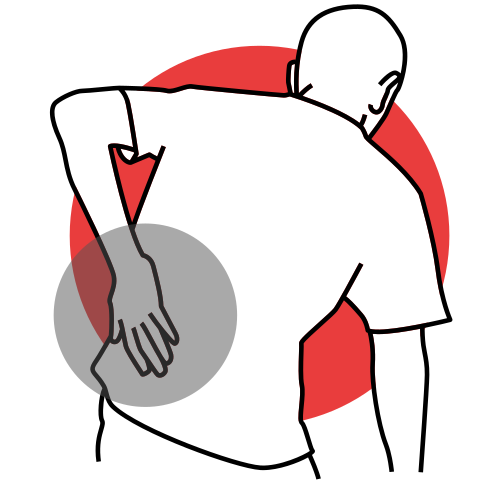
Back pain is one of the most common reasons people visit a doctor. It's also one of the problems where the usual chain of appointments, from family doctor to scan to specialist, often adds time without adding answers. For most back pain, a physical therapist is a smart place to start.
Most back pain is a movement problem
According to American College of Physicians guidance, more than 85% of people with low back pain who see primary care have pain that can't be traced to a specific disease or spinal abnormality. Most acute back pain also improves a lot within the first month.
That's good news. It means most back pain comes from irritated joints, muscles, discs or nerves that respond well to the right movement, strength work and hands-on care. That is exactly what physical therapists treat.
What the guidelines recommend first
The American College of Physicians' 2017 guideline recommends starting with non-drug treatments for most low back pain. For chronic back pain, exercise and rehabilitation are at the top of that list.
The guideline reserves medication for when those approaches aren't enough. Imaging isn't recommended in the first six weeks unless red flags are present. Surgery is generally considered only after conservative care, including physical therapy, hasn't helped.
How a physical therapist evaluates back pain
Your first visit is a full exam, not a quick check. Your physical therapist will:
• Ask where the pain is, how it started, and what positions make it better or worse
• Test how your spine moves forward, backward and side to side
• Check hip mobility and core strength, which often play a big role
• Screen nerve function with reflexes, sensation and strength tests in your legs
• Watch how you sit, stand, bend and lift
• Look for red flags that need a physician
The goal is to find out which movements calm your pain down and which ones stir it up. That pattern guides your treatment.
How physical therapy treats back pain
Treatment is built around your exam and your goals. It often includes:
• Specific exercise to restore motion and build strength in your core, hips and back
• Manual therapy such as joint mobilization and soft tissue work to ease pain and stiffness
• Education on what's going on, why it hurts, and how to stay active without making it worse
• Daily habits like lifting technique, workstation setup and sleep positions
• Pain relief options offered at our clinics, such as MLS laser therapy, when they fit your plan
You also leave with a home program, so progress keeps happening between visits.
When a specialist is the right next step
Physical therapy doesn't fix every back problem, and we'll tell you when you need more. We refer to a physician or specialist if you have:
• Loss of bladder or bowel control, or numbness in the groin or inner thighs (go to the ER)
• Worsening weakness or numbness in a leg
• Back pain with fever, unexplained weight loss, or a history of cancer
• Pain after a significant fall or accident
• Little or no improvement after a few weeks of consistent care
If you do need a specialist, you arrive with a detailed evaluation in hand, which makes that visit more useful.
Frequently asked questions
Should I rest my back until it stops hurting? Short rest can help in the first day or two, but staying gently active usually leads to faster recovery than bed rest.
Can physical therapy help sciatica? Often, yes. Many people with pain running down the leg improve with physical therapy. We monitor nerve signs closely and refer you if they get worse.
How many visits will I need for back pain? It depends on how long you've had the pain and your goals. Your therapist will give you an estimate after your evaluation.
Starting physical therapy in Whitesboro or Gunter
903 Physical Therapy sees patients at both our Whitesboro and Gunter clinics. Our therapists meet all three state requirements, so you can begin care without a referral. If you are not sure whether your plan needs one, tell us when you call and we will check your benefits before your first visit.
Read Next

Oct. 23rd 2024
By 903 Physical Therapy PLLC
Back pain is one of the most common reasons people visit a doctor. It's also one of the problems where the usual chain of appointments, from family doctor to scan to specialist, often adds time without adding answers. For most back pain, a physical therapist is a smart place to start.
Most back pain is a movement problem
According to American College of Physicians guidance, more than 85% of people with low back pain who see primary care have pain that can't be traced to a specific disease or spinal abnormality. Most acute back pain also improves a lot within the first month.
That's good news. It means most back pain comes from irritated joints, muscles, discs or nerves that respond well to the right movement, strength work and hands-on care. That is exactly what physical therapists treat.
What the guidelines recommend first
The American College of Physicians' 2017 guideline recommends starting with non-drug treatments for most low back pain. For chronic back pain, exercise and rehabilitation are at the top of that list.
The guideline reserves medication for when those approaches aren't enough. Imaging isn't recommended in the first six weeks unless red flags are present. Surgery is generally considered only after conservative care, including physical therapy, hasn't helped.
How a physical therapist evaluates back pain
Your first visit is a full exam, not a quick check. Your physical therapist will:
• Ask where the pain is, how it started, and what positions make it better or worse
• Test how your spine moves forward, backward and side to side
• Check hip mobility and core strength, which often play a big role
• Screen nerve function with reflexes, sensation and strength tests in your legs
• Watch how you sit, stand, bend and lift
• Look for red flags that need a physician
The goal is to find out which movements calm your pain down and which ones stir it up. That pattern guides your treatment.
How physical therapy treats back pain
Treatment is built around your exam and your goals. It often includes:
• Specific exercise to restore motion and build strength in your core, hips and back
• Manual therapy such as joint mobilization and soft tissue work to ease pain and stiffness
• Education on what's going on, why it hurts, and how to stay active without making it worse
• Daily habits like lifting technique, workstation setup and sleep positions
• Pain relief options offered at our clinics, such as MLS laser therapy, when they fit your plan
You also leave with a home program, so progress keeps happening between visits.
When a specialist is the right next step
Physical therapy doesn't fix every back problem, and we'll tell you when you need more. We refer to a physician or specialist if you have:
• Loss of bladder or bowel control, or numbness in the groin or inner thighs (go to the ER)
• Worsening weakness or numbness in a leg
• Back pain with fever, unexplained weight loss, or a history of cancer
• Pain after a significant fall or accident
• Little or no improvement after a few weeks of consistent care
If you do need a specialist, you arrive with a detailed evaluation in hand, which makes that visit more useful.
Frequently Asked Questions
Should I rest my back until it stops hurting? Short rest can help in the first day or two, but staying gently active usually leads to faster recovery than bed rest.
Can physical therapy help sciatica? Often, yes. Many people with pain running down the leg improve with physical therapy. We monitor nerve signs closely and refer you if they get worse.
How many visits will I need for back pain? It depends on how long you've had the pain and your goals. Your therapist will give you an estimate after your evaluation.
How to Get Started
at 903 Physical Therapy?
Getting started with physical therapy is simple! If you're ready to take control of your health and mobility, give us a call or stop by our clinic. Whether you have a referral or not, our experienced therapists are here to help assess your condition, create a personalized treatment plan, and get you on the road to recovery. At 903 Physical Therapy, your health is our top priority. Let’s get you back to feeling your best—without the extra steps!
Read Next
Do You Struggle With...
Shoulder
Pain
Knee
Pain
Back
Pain
Post Surgical Rehab
Pelvic
Health
We Can Help!
WHAT WE OFFER
Our Best Selling Products

Leathered Granite
$65.00 $65.00

Calacatta
$20.00

Carrara white marble
$18.00 $20.00
Why Choose 903 PT?

Recover From
Pain at the Source
At 903 PT, we focus on identifying & treating the root cause of your pain, not just the symptoms. Our licensed physical therapists use hands-on techniques and targeted exercise to deliver long-lasting relief and improved movement.

Prevent
Future Injuries
We help your body move the right way by building strength and improving flexibility to prevent future injuries. Our personalized physical therapy plans keep you active, strong, and confident long after your treatment ends.

Get Back to
What You Love
Whether it’s work, sports, or everyday activities, 903 Physical Therapy is here to help you return to the life you enjoy without pain or limitation!
TESTIMONIALS
What LOCALS Say About Us
About Us
Experience a new level of recovery with 903 Physical Therapy in Whitesboro, Tx!


Copyright© 2026 903 Physical Therapy - All Rights Reserved. Privacy Policy | Terms of Service
Why Choose 903 PT?

Recover From
Pain at the Source
At 903 PT, we focus on identifying & treating the root cause of your pain, not just the symptoms. Our licensed physical therapists use hands-on techniques and targeted exercise to deliver long-lasting relief and improved movement.

Prevent
Future Injuries
We help your body move the right way by building strength and improving flexibility to prevent future injuries. Our personalized physical therapy plans keep you active, strong, and confident long after your treatment ends.

Get Back to
What You Love
Whether it’s work, sports, or everyday activities, 903 Physical Therapy is here to help you return to the life you enjoy without pain or limitation!
TESTIMONIALS
What others
Say About Us
About Us
Experience a new level of recovery with 903 Physical Therapy in Whitesboro, Tx!

Copyright© 2026 903 Physical Therapy - All Rights Reserved. Privacy Policy | Terms of Service