
903 Physical Therapy
Whitesboro, Tx
Why Your Physical Therapist Should Be Your First Stop for Muscle and Joint Pain
Oct. 29th 2026
By 903 Physical Therapy PLLC
903 Physical Therapy
Whitesboro, Tx
Why Your Physical Therapist Should Be Your First Stop for Muscle and Joint Pain
By 903 Physical Therapy
Oct. 29th 2026
Your knee aches every time you take the stairs. Your shoulder catches when you reach for the top shelf. Most people's first thought is, "I need to see my doctor to find out what's wrong." For many muscle, joint and movement problems, there is a faster path: start with a physical therapist.
In Texas, you don't need a referral to be evaluated by a physical therapist. That means you can call 903 Physical Therapy in Whitesboro or Gunter and book an evaluation directly.
Physical therapists are trained for exactly this
Today's physical therapists earn a Doctor of Physical Therapy (DPT) degree. Since 2016, the DPT has been the only degree granted by accredited physical therapy programs in the United States. That training covers anatomy, the nervous system, how joints and muscles move, and how to tell a movement problem apart from something that needs a doctor. Research backs this up. In a 2005 study published in BMC Musculoskeletal Disorders, experienced physical therapists were given a standardized exam of musculoskeletal knowledge. They scored higher than medical students, residents and most physician specialties. Only orthopedic physicians scored higher. In other words, when the problem is a muscle, joint, tendon or the way you move, a physical therapist is one of the most qualified people you can see.
What happens at your first visit
A physical therapy evaluation is a hands-on exam, not a quick look. Your therapist will:
• Ask how the problem started, what makes it better or worse, and what you want to get back to doing
• Check your strength, flexibility, joint motion, balance and posture
• Watch how you walk, squat, reach or move through the motions that hurt
• Run specific tests to narrow down which tissue is involved
• Screen for warning signs that point to a problem outside physical therapy
You leave with a clear explanation of what's going on and a plan built for you. In many cases, treatment can begin at that first visit.
Starting with PT can save you time and appointments
The traditional route often looks like this: wait for a doctor's appointment, get told to rest, maybe get imaging, then get referred to physical therapy anyway. Each step adds days or weeks. Starting with a physical therapist skips the steps that don't change your treatment.
A large study of about 150,000 insurance claims for low back pain, published in Health Services Research in 2018, found that patients who saw a physical therapist first had an 89% lower chance of getting an opioid prescription and a 28% lower chance of advanced imaging like an MRI. They also paid less out of pocket.
What Texas law allows
Since September 1, 2025, Texas law lets a qualified physical therapist treat you for up to 30 consecutive calendar days without a referral. Before that change, the limit was 10 or 15 business days. If you need care beyond 30 days, your therapist coordinates a referral with a physician or other qualified provider. One thing to know: some insurance plans require a referral to pay for therapy, even when the law doesn't. Our front desk can check your benefits before your first visit.
First-contact care, not a replacement for your doctor
Physical therapists are first-contact providers for muscle, joint and movement problems. We are not a replacement for your primary care physician, and we don't diagnose illness or disease. That is exactly why starting with PT is safe. Part of every evaluation is screening for red flags, such as unexplained weight loss, fever, numbness in the groin area, or loss of bladder or bowel control. If something doesn't fit a movement problem, we refer you to the right doctor quickly and send them what we found. We work alongside local physicians, not around them.
Common problems you can start with a physical therapist
• Back and neck pain
• Knee, hip and shoulder pain
• Sprains, strains and sports injuries
• Tendon pain such as tennis elbow or Achilles pain
• Stiffness, weakness or trouble with balance
• Dizziness and vertigo (vestibular problems)
• Pelvic floor concerns
Frequently asked questions
Do I need a referral to see a physical therapist in Texas? No. You can be evaluated by a physical therapist without a referral. A qualified PT can also treat you for up to 30 consecutive calendar days without one.
Will my insurance cover physical therapy without a referral? It depends on your plan. Many plans cover direct access, but some require a referral. We can verify your benefits before your appointment.
What if my problem isn't something PT can treat? Your therapist screens for that at the first visit. If you need a physician or imaging, we refer you and share our findings.
Starting physical therapy in Whitesboro or Gunter
903 Physical Therapy sees patients at both our Whitesboro and Gunter clinics. Our therapists meet all three state requirements, so you can begin care without a referral. If you are not sure whether your plan needs one, tell us when you call and we will check your benefits before your first visit.
Read Next

Oct. 23rd 2024
By 903 Physical Therapy PLLC
Your knee aches every time you take the stairs. Your shoulder catches when you reach for the top shelf. Most people's first thought is, "I need to see my doctor to find out what's wrong." For many muscle, joint and movement problems, there is a faster path: start with a physical therapist.
In Texas, you don't need a referral to be evaluated by a physical therapist. That means you can call 903 Physical Therapy in Whitesboro or Gunter and book an evaluation directly.
Physical therapists are trained for exactly this
Today's physical therapists earn a Doctor of Physical Therapy (DPT) degree. Since 2016, the DPT has been the only degree granted by accredited physical therapy programs in the United States. That training covers anatomy, the nervous system, how joints and muscles move, and how to tell a movement problem apart from something that needs a doctor. Research backs this up. In a 2005 study published in BMC Musculoskeletal Disorders, experienced physical therapists were given a standardized exam of musculoskeletal knowledge. They scored higher than medical students, residents and most physician specialties. Only orthopedic physicians scored higher. In other words, when the problem is a muscle, joint, tendon or the way you move, a physical therapist is one of the most qualified people you can see.
What happens at your first visit
A physical therapy evaluation is a hands-on exam, not a quick look. Your therapist will:
• Ask how the problem started, what makes it better or worse, and what you want to get back to doing
• Check your strength, flexibility, joint motion, balance and posture
• Watch how you walk, squat, reach or move through the motions that hurt
• Run specific tests to narrow down which tissue is involved
• Screen for warning signs that point to a problem outside physical therapy
You leave with a clear explanation of what's going on and a plan built for you. In many cases, treatment can begin at that first visit.
Starting with PT can save you time and appointments
The traditional route often looks like this: wait for a doctor's appointment, get told to rest, maybe get imaging, then get referred to physical therapy anyway. Each step adds days or weeks. Starting with a physical therapist skips the steps that don't change your treatment.
A large study of about 150,000 insurance claims for low back pain, published in Health Services Research in 2018, found that patients who saw a physical therapist first had an 89% lower chance of getting an opioid prescription and a 28% lower chance of advanced imaging like an MRI. They also paid less out of pocket.
What Texas Law Allows
Since September 1, 2025, Texas law lets a qualified physical therapist treat you for up to 30 consecutive calendar days without a referral. Before that change, the limit was 10 or 15 business days. If you need care beyond 30 days, your therapist coordinates a referral with a physician or other qualified provider. One thing to know: some insurance plans require a referral to pay for therapy, even when the law doesn't. Our front desk can check your benefits before your first visit.
First-contact care, not a replacement for your doctor
Physical therapists are first-contact providers for muscle, joint and movement problems. We are not a replacement for your primary care physician, and we don't diagnose illness or disease. That is exactly why starting with PT is safe. Part of every evaluation is screening for red flags, such as unexplained weight loss, fever, numbness in the groin area, or loss of bladder or bowel control. If something doesn't fit a movement problem, we refer you to the right doctor quickly and send them what we found. We work alongside local physicians, not around them.
Common problems you can start with a physical therapist:
• Back and neck pain
• Knee, hip and shoulder pain
• Sprains, strains and sports injuries
• Tendon pain such as tennis elbow or Achilles pain
• Stiffness, weakness or trouble with balance
• Dizziness and vertigo (vestibular problems)
• Pelvic floor concerns
Frequently Asked Questions
Do I need a referral to see a physical therapist in Texas? No. You can be evaluated by a physical therapist without a referral. A qualified PT can also treat you for up to 30 consecutive calendar days without one.
Will my insurance cover physical therapy without a referral? It depends on your plan. Many plans cover direct access, but some require a referral. We can verify your benefits before your appointment.
What if my problem isn't something PT can treat? Your therapist screens for that at the first visit. If you need a physician or imaging, we refer you and share our findings.
How to Get Started
at 903 Physical Therapy?
Getting started with physical therapy is simple! If you're ready to take control of your health and mobility, give us a call or stop by our clinic. Whether you have a referral or not, our experienced therapists are here to help assess your condition, create a personalized treatment plan, and get you on the road to recovery. At 903 Physical Therapy, your health is our top priority. Let’s get you back to feeling your best—without the extra steps!
Read Next
Do You Struggle With...
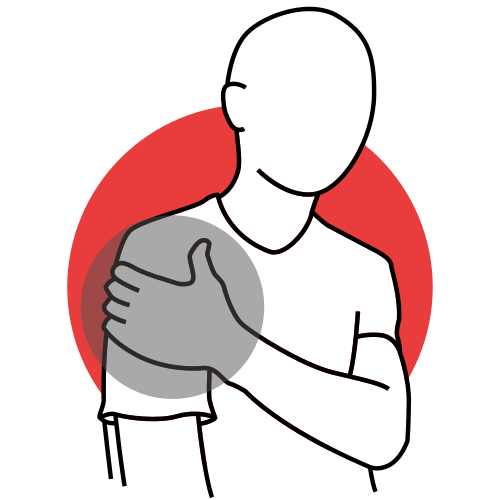
Shoulder
Pain
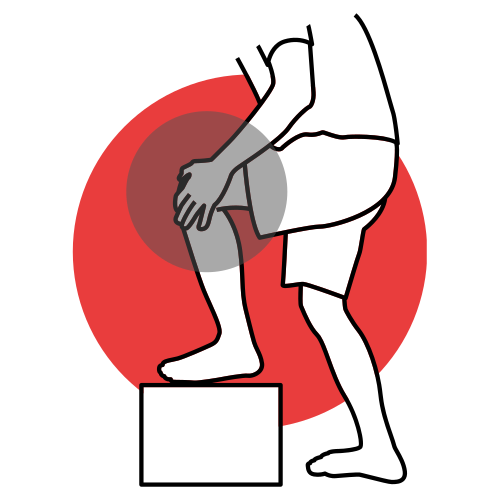
Knee
Pain
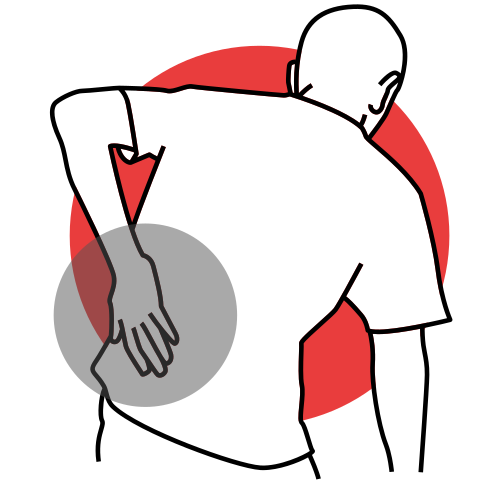
Back
Pain
Post Surgical Rehab
Pelvic
Health
We Can Help!
WHAT WE OFFER
Our Best Selling Products

Leathered Granite
$65.00 $65.00

Calacatta
$20.00

Carrara white marble
$18.00 $20.00
Why Choose 903 PT?

Recover From
Pain at the Source
At 903 PT, we focus on identifying & treating the root cause of your pain, not just the symptoms. Our licensed physical therapists use hands-on techniques and targeted exercise to deliver long-lasting relief and improved movement.

Prevent
Future Injuries
We help your body move the right way by building strength and improving flexibility to prevent future injuries. Our personalized physical therapy plans keep you active, strong, and confident long after your treatment ends.

Get Back to
What You Love
Whether it’s work, sports, or everyday activities, 903 Physical Therapy is here to help you return to the life you enjoy without pain or limitation!
TESTIMONIALS
What LOCALS Say About Us
About Us
Experience a new level of recovery with 903 Physical Therapy in Whitesboro, Tx!


Copyright© 2026 903 Physical Therapy - All Rights Reserved. Privacy Policy | Terms of Service
Why Choose 903 PT?

Recover From
Pain at the Source
At 903 PT, we focus on identifying & treating the root cause of your pain, not just the symptoms. Our licensed physical therapists use hands-on techniques and targeted exercise to deliver long-lasting relief and improved movement.

Prevent
Future Injuries
We help your body move the right way by building strength and improving flexibility to prevent future injuries. Our personalized physical therapy plans keep you active, strong, and confident long after your treatment ends.

Get Back to
What You Love
Whether it’s work, sports, or everyday activities, 903 Physical Therapy is here to help you return to the life you enjoy without pain or limitation!
TESTIMONIALS
What others
Say About Us
About Us
Experience a new level of recovery with 903 Physical Therapy in Whitesboro, Tx!

Copyright© 2026 903 Physical Therapy - All Rights Reserved. Privacy Policy | Terms of Service