
903 Physical Therapy
Whitesboro, Tx
Why Physical Therapy Belongs at the Front Door of Musculoskeletal Care
Nov. 13th 2026
By 903 Physical Therapy PLLC
903 Physical Therapy
Whitesboro, Tx
Why Physical Therapy Belongs at the Front Door of Musculoskeletal Care
By 903 Physical Therapy
Nov. 13th 2026
Muscle, joint and movement problems are among the most common reasons people seek care. One study estimated they make up roughly a quarter of patient complaints in primary care. Yet for decades, the system routed nearly all of them through the same door: a physician visit first, then a referral, then physical therapy.
That model is changing. Across the country and here in Texas, physical therapists are becoming first-contact providers for musculoskeletal care. Here's why that shift makes sense, and what it means for patients in North Texas.
The law has caught up with the training
As of July 1, 2025, all 50 states, Washington, D.C., and the U.S. Virgin Islands allow some form of direct access to physical therapy, according to the American Physical Therapy Association.
Texas has moved in steps:
1991: Texans could be evaluated by a physical therapist without a referral, with tight limits on treatment.
2019: House Bill 29 allowed treatment without a referral for 10 or 15 business days, depending on the therapist's qualifications.
2025: House Bill 4099 extended that to 30 consecutive calendar days, effective September 1, 2025.
When lawmakers considered expanding the window in 2023, a House committee analysis noted that in more than three years of direct access, the Texas Board of Physical Therapy Examiners had received no complaints tied to patients going directly to a physical therapist.
The training supports it
Since 2016, every newly graduating physical therapist in the U.S. earns a Doctor of Physical Therapy degree. That education includes differential diagnosis: recognizing which problems fit physical therapy and which need a physician.
The military has relied on this for years. In the U.S. Army, physical therapists have long served as first-line providers for soldiers with musculoskeletal injuries. A 2005 study from an Army hospital found physical therapists' clinical diagnoses matched MRI results nearly as well as orthopedic surgeons' did, and far better than non-orthopedic providers.
The outcomes support it
The best evidence comes from low back pain. A 2018 analysis of about 150,000 insurance claims found that patients who started with a physical therapist had an 89% lower chance of an opioid prescription and a 28% lower chance of advanced imaging, along with lower out-of-pocket costs.
Those numbers matter beyond one patient. Fewer unnecessary scans, fewer opioid prescriptions and fewer repeat visits ease pressure on the whole system, including busy primary care offices.
Front door, not the whole house
Putting physical therapy at the front door doesn't mean pushing physicians out. It means the right provider sees the right problem first.
In a front-door model:
- Patients with muscle, joint and movement problems start with a physical therapist
- Physical therapists screen every patient for red flags and refer quickly when something needs a physician
- Physicians spend more of their time on the medical problems only they can manage
- Patients who need imaging, injections or surgery reach a specialist with a detailed evaluation already done
Texas law builds in this teamwork. Patients who start without a referral sign a disclosure acknowledging that physical therapy doesn't replace a physician's medical diagnosis, and care beyond 30 days requires a referral.
What this means for North Texas
In a rural and fast-growing area like ours, getting in to see a specialist can take weeks, and the nearest one may be a long drive. Direct access to a local physical therapist means people in Whitesboro, Gunter and the surrounding communities can start care close to home, sooner.
At 903 Physical Therapy, we see that as our role: a trusted first stop for muscle and joint problems, working hand in hand with the physicians in our community. Movement is medicine, and it should be easy to get.
Frequently asked questions
Will physical therapists replace primary care doctors? No. Physical therapists are first-contact providers for musculoskeletal problems. Primary care physicians remain essential for overall health and medical conditions.
Is it safe to see a physical therapist first? For muscle, joint and movement problems, yes. Red-flag screening is part of every evaluation, and we refer to a physician when needed.
Does direct access work with my insurance? Many plans cover it, but some still require a referral. We'll verify your benefits before your first visit.
Starting physical therapy in Whitesboro or Gunter
903 Physical Therapy sees patients at both our Whitesboro and Gunter clinics. Our therapists meet all three state requirements, so you can begin care without a referral. If you are not sure whether your plan needs one, tell us when you call and we will check your benefits before your first visit.
Read Next

Oct. 23rd 2024
By 903 Physical Therapy PLLC
Muscle, joint and movement problems are among the most common reasons people seek care. One study estimated they make up roughly a quarter of patient complaints in primary care. Yet for decades, the system routed nearly all of them through the same door: a physician visit first, then a referral, then physical therapy.
That model is changing. Across the country and here in Texas, physical therapists are becoming first-contact providers for musculoskeletal care. Here's why that shift makes sense, and what it means for patients in North Texas.
The law has caught up with the training
As of July 1, 2025, all 50 states, Washington, D.C., and the U.S. Virgin Islands allow some form of direct access to physical therapy, according to the American Physical Therapy Association.
Texas has moved in steps:
1991: Texans could be evaluated by a physical therapist without a referral, with tight limits on treatment.
2019: House Bill 29 allowed treatment without a referral for 10 or 15 business days, depending on the therapist's qualifications.
2025: House Bill 4099 extended that to 30 consecutive calendar days, effective September 1, 2025.
When lawmakers considered expanding the window in 2023, a House committee analysis noted that in more than three years of direct access, the Texas Board of Physical Therapy Examiners had received no complaints tied to patients going directly to a physical therapist.
The training supports it
Since 2016, every newly graduating physical therapist in the U.S. earns a Doctor of Physical Therapy degree. That education includes differential diagnosis: recognizing which problems fit physical therapy and which need a physician.
The military has relied on this for years. In the U.S. Army, physical therapists have long served as first-line providers for soldiers with musculoskeletal injuries. A 2005 study from an Army hospital found physical therapists' clinical diagnoses matched MRI results nearly as well as orthopedic surgeons' did, and far better than non-orthopedic providers.
The outcomes support it
The best evidence comes from low back pain. A 2018 analysis of about 150,000 insurance claims found that patients who started with a physical therapist had an 89% lower chance of an opioid prescription and a 28% lower chance of advanced imaging, along with lower out-of-pocket costs.
Those numbers matter beyond one patient. Fewer unnecessary scans, fewer opioid prescriptions and fewer repeat visits ease pressure on the whole system, including busy primary care offices.
Front door, not the whole house
Putting physical therapy at the front door doesn't mean pushing physicians out. It means the right provider sees the right problem first.
In a front-door model:
- Patients with muscle, joint and movement problems start with a physical therapist
- Physical therapists screen every patient for red flags and refer quickly when something needs a physician
- Physicians spend more of their time on the medical problems only they can manage
- Patients who need imaging, injections or surgery reach a specialist with a detailed evaluation already done
Texas law builds in this teamwork. Patients who start without a referral sign a disclosure acknowledging that physical therapy doesn't replace a physician's medical diagnosis, and care beyond 30 days requires a referral.
What this means for North Texas
In a rural and fast-growing area like ours, getting in to see a specialist can take weeks, and the nearest one may be a long drive. Direct access to a local physical therapist means people in Whitesboro, Gunter and the surrounding communities can start care close to home, sooner.
At 903 Physical Therapy, we see that as our role: a trusted first stop for muscle and joint problems, working hand in hand with the physicians in our community. Movement is medicine, and it should be easy to get.
6. You're giving up things you enjoy
If you've stopped running, golfing, working in the yard, playing with your kids or grandkids, or going on walks because of pain, that matters. Your goals are a big part of physical therapy. Treatment is built around getting you back to the activities you care about.
7. Tingling, numbness or pain that travels
Pain that runs down an arm or leg, or tingling in your hands or feet, can mean a nerve is irritated. Many of these problems respond well to physical therapy. Your therapist will check nerve function carefully and refer you to a physician if anything is worsening.
When to see a doctor or call 911 instead
Physical therapy is a great first stop for muscle, joint and movement problems, but some symptoms need urgent medical care:
- Chest pain or shortness of breath
- Sudden weakness, facial drooping or trouble speaking
- Loss of bladder or bowel control, or numbness in the groin area
- Pain with fever, chills or unexplained weight loss
- A serious fall or injury where you can't bear weight
- Calf pain, swelling and warmth, especially after surgery or a long trip
Frequently Asked Questions
Will physical therapists replace primary care doctors? No. Physical therapists are first-contact providers for musculoskeletal problems. Primary care physicians remain essential for overall health and medical conditions.
Is it safe to see a physical therapist first? For muscle, joint and movement problems, yes. Red-flag screening is part of every evaluation, and we refer to a physician when needed.
Does direct access work with my insurance? Many plans cover it, but some still require a referral. We'll verify your benefits before your first visit.
How to Get Started
at 903 Physical Therapy?
Getting started with physical therapy is simple! If you're ready to take control of your health and mobility, give us a call or stop by our clinic. Whether you have a referral or not, our experienced therapists are here to help assess your condition, create a personalized treatment plan, and get you on the road to recovery. At 903 Physical Therapy, your health is our top priority. Let’s get you back to feeling your best—without the extra steps!
Read Next
Do You Struggle With...
Shoulder
Pain

Knee
Pain
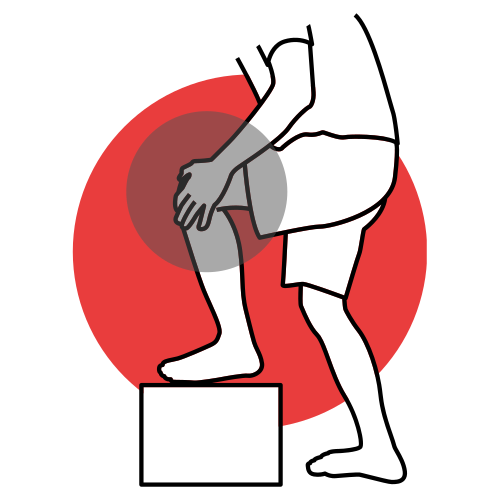
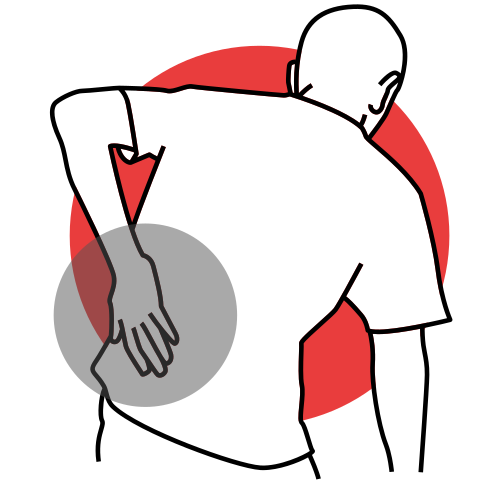
Back
Pain
Post Surgical Rehab
Pelvic
Health
We Can Help!
WHAT WE OFFER
Our Best Selling Products

Leathered Granite
$65.00 $65.00

Calacatta
$20.00

Carrara white marble
$18.00 $20.00
Why Choose 903 PT?

Recover From
Pain at the Source
At 903 PT, we focus on identifying & treating the root cause of your pain, not just the symptoms. Our licensed physical therapists use hands-on techniques and targeted exercise to deliver long-lasting relief and improved movement.

Prevent
Future Injuries
We help your body move the right way by building strength and improving flexibility to prevent future injuries. Our personalized physical therapy plans keep you active, strong, and confident long after your treatment ends.

Get Back to
What You Love
Whether it’s work, sports, or everyday activities, 903 Physical Therapy is here to help you return to the life you enjoy without pain or limitation!
TESTIMONIALS
What LOCALS Say About Us
About Us
Experience a new level of recovery with 903 Physical Therapy in Whitesboro, Tx!


Copyright© 2026 903 Physical Therapy - All Rights Reserved. Privacy Policy | Terms of Service
Why Choose 903 PT?

Recover From
Pain at the Source
At 903 PT, we focus on identifying & treating the root cause of your pain, not just the symptoms. Our licensed physical therapists use hands-on techniques and targeted exercise to deliver long-lasting relief and improved movement.

Prevent
Future Injuries
We help your body move the right way by building strength and improving flexibility to prevent future injuries. Our personalized physical therapy plans keep you active, strong, and confident long after your treatment ends.

Get Back to
What You Love
Whether it’s work, sports, or everyday activities, 903 Physical Therapy is here to help you return to the life you enjoy without pain or limitation!
TESTIMONIALS
What others
Say About Us
About Us
Experience a new level of recovery with 903 Physical Therapy in Whitesboro, Tx!

Copyright© 2026 903 Physical Therapy - All Rights Reserved. Privacy Policy | Terms of Service