
903 Physical Therapy
Whitesboro, Tx
7 Signs It's Time to See a Physical Therapist
Nov. 13th 2026
By 903 Physical Therapy PLLC
903 Physical Therapy
Whitesboro, Tx
7 Signs It's Time to See a Physical Therapist
By 903 Physical Therapy
Nov. 13th 2026
A lot of people treat pain like the weather. They wait it out, hope it passes, and work around it when it doesn't. Sometimes that works. Often, though, a small problem slowly changes how you move, and that creates bigger ones.
Here are seven signs it's time to stop waiting and see a physical therapist.
1. Pain that lasts more than a couple of weeks or keeps coming back
Minor aches usually settle within days. If your back, neck, shoulder or knee still hurts after two weeks, or the same pain flares up every few months, something is likely keeping it going. A physical therapist can find what that is, whether it's weakness, stiffness or the way you move.
2. Stiffness that limits everyday tasks
Trouble turning your head to check your blind spot, reaching overhead, putting on socks or getting out of a low chair is worth paying attention to. Lost motion tends to get worse when it's ignored, and it usually improves with the right exercise and hands-on care.
3. Weakness you didn't have before
Maybe stairs feel harder, carrying groceries is a struggle, or one leg feels less steady than the other. New weakness can come from an old injury, inactivity or a joint problem. A physical therapist measures your strength and builds a plan to bring it back.
Sudden or rapidly worsening weakness is different. If an arm or leg suddenly becomes weak, or you notice facial drooping or trouble speaking, call 911.
4. Balance problems or near falls
Catching yourself on furniture, feeling unsteady on uneven ground, or having a recent fall are all signals to act. The CDC reports that about 1 in 4 adults age 65 and older fall each year. A balance assessment can find what's raising your risk, and targeted training can lower it. If dizziness or a spinning sensation is part of the picture, vestibular therapy may help.
5. You've started moving differently
Limping, favoring one side, shifting your weight off a sore hip, or using your arms to push up from a chair are all ways your body works around pain. These workarounds often lead to new pain somewhere else. A physical therapist can restore normal movement before that happens.
6. You're giving up things you enjoy
If you've stopped running, golfing, working in the yard, playing with your kids or grandkids, or going on walks because of pain, that matters. Your goals are a big part of physical therapy. Treatment is built around getting you back to the activities you care about.
7. Tingling, numbness or pain that travels
Pain that runs down an arm or leg, or tingling in your hands or feet, can mean a nerve is irritated. Many of these problems respond well to physical therapy. Your therapist will check nerve function carefully and refer you to a physician if anything is worsening.
When to see a doctor or call 911 instead
Physical therapy is a great first stop for muscle, joint and movement problems, but some symptoms need urgent medical care:
- Chest pain or shortness of breath
- Sudden weakness, facial drooping or trouble speaking
- Loss of bladder or bowel control, or numbness in the groin area
- Pain with fever, chills or unexplained weight loss
- A serious fall or injury where you can't bear weight
- Calf pain, swelling and warmth, especially after surgery or a long trip
Frequently asked questions
How do I know if my pain is serious enough for physical therapy? If it's affecting how you move, sleep or go about your day, it's worth an evaluation. You don't have to wait until it's severe.
Can I see a physical therapist without seeing my doctor first? Yes. In Texas, you can be evaluated and begin treatment without a referral.
What should I bring to my first visit? Your ID, insurance card, a list of medications, and any imaging reports or records you already have. Wear clothes you can move in.
Starting physical therapy in Whitesboro or Gunter
903 Physical Therapy sees patients at both our Whitesboro and Gunter clinics. Our therapists meet all three state requirements, so you can begin care without a referral. If you are not sure whether your plan needs one, tell us when you call and we will check your benefits before your first visit.
Read Next

Oct. 23rd 2024
By 903 Physical Therapy PLLC
A lot of people treat pain like the weather. They wait it out, hope it passes, and work around it when it doesn't. Sometimes that works. Often, though, a small problem slowly changes how you move, and that creates bigger ones.
Here are seven signs it's time to stop waiting and see a physical therapist.
1. Pain that lasts more than a couple of weeks or keeps coming back
Minor aches usually settle within days. If your back, neck, shoulder or knee still hurts after two weeks, or the same pain flares up every few months, something is likely keeping it going. A physical therapist can find what that is, whether it's weakness, stiffness or the way you move.
2. Stiffness that limits everyday tasks
Trouble turning your head to check your blind spot, reaching overhead, putting on socks or getting out of a low chair is worth paying attention to. Lost motion tends to get worse when it's ignored, and it usually improves with the right exercise and hands-on care.
3. Weakness you didn't have before
Maybe stairs feel harder, carrying groceries is a struggle, or one leg feels less steady than the other. New weakness can come from an old injury, inactivity or a joint problem. A physical therapist measures your strength and builds a plan to bring it back.
Sudden or rapidly worsening weakness is different. If an arm or leg suddenly becomes weak, or you notice facial drooping or trouble speaking, call 911.
4. Balance problems or near falls
Catching yourself on furniture, feeling unsteady on uneven ground, or having a recent fall are all signals to act. The CDC reports that about 1 in 4 adults age 65 and older fall each year. A balance assessment can find what's raising your risk, and targeted training can lower it. If dizziness or a spinning sensation is part of the picture, vestibular therapy may help.
5. You've started moving differently
Limping, favoring one side, shifting your weight off a sore hip, or using your arms to push up from a chair are all ways your body works around pain. These workarounds often lead to new pain somewhere else. A physical therapist can restore normal movement before that happens.
6. You're giving up things you enjoy
If you've stopped running, golfing, working in the yard, playing with your kids or grandkids, or going on walks because of pain, that matters. Your goals are a big part of physical therapy. Treatment is built around getting you back to the activities you care about.
7. Tingling, numbness or pain that travels
Pain that runs down an arm or leg, or tingling in your hands or feet, can mean a nerve is irritated. Many of these problems respond well to physical therapy. Your therapist will check nerve function carefully and refer you to a physician if anything is worsening.
When to see a doctor or call 911 instead
Physical therapy is a great first stop for muscle, joint and movement problems, but some symptoms need urgent medical care:
- Chest pain or shortness of breath
- Sudden weakness, facial drooping or trouble speaking
- Loss of bladder or bowel control, or numbness in the groin area
- Pain with fever, chills or unexplained weight loss
- A serious fall or injury where you can't bear weight
- Calf pain, swelling and warmth, especially after surgery or a long trip
Frequently Asked Questions
How do I know if my pain is serious enough for physical therapy? If it's affecting how you move, sleep or go about your day, it's worth an evaluation. You don't have to wait until it's severe.
Can I see a physical therapist without seeing my doctor first? Yes. In Texas, you can be evaluated and begin treatment without a referral.
What should I bring to my first visit? Your ID, insurance card, a list of medications, and any imaging reports or records you already have. Wear clothes you can move in.
How to Get Started
at 903 Physical Therapy?
Getting started with physical therapy is simple! If you're ready to take control of your health and mobility, give us a call or stop by our clinic. Whether you have a referral or not, our experienced therapists are here to help assess your condition, create a personalized treatment plan, and get you on the road to recovery. At 903 Physical Therapy, your health is our top priority. Let’s get you back to feeling your best—without the extra steps!
Read Next
Do You Struggle With...
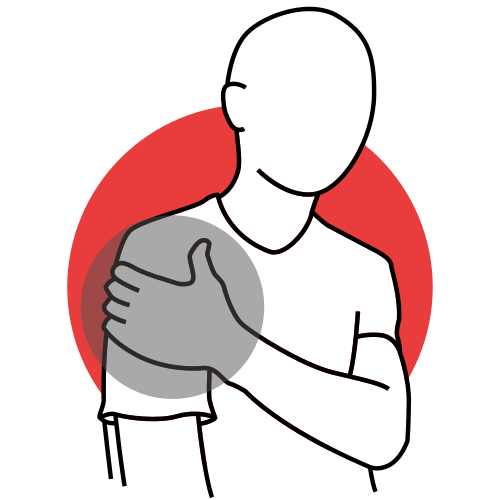
Shoulder
Pain
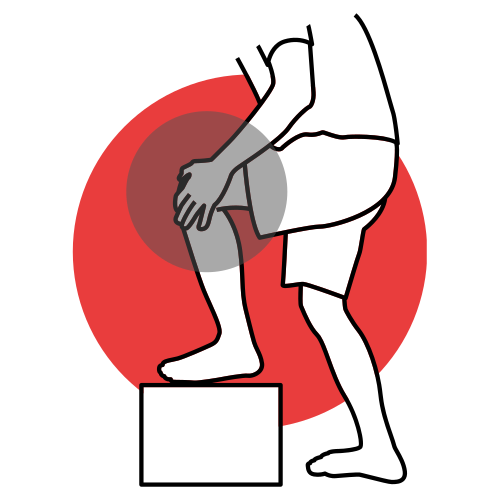
Knee
Pain
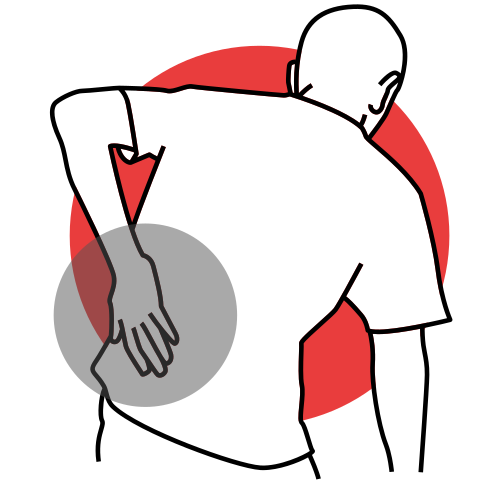
Back
Pain
Post Surgical Rehab
Pelvic
Health
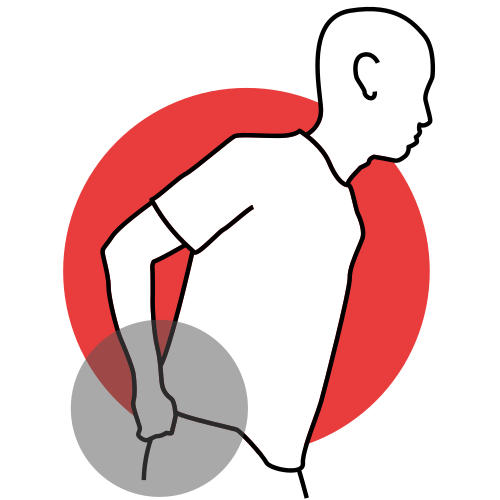
We Can Help!
WHAT WE OFFER
Our Best Selling Products

Leathered Granite
$65.00 $65.00

Calacatta
$20.00

Carrara white marble
$18.00 $20.00
Why Choose 903 PT?

Recover From
Pain at the Source
At 903 PT, we focus on identifying & treating the root cause of your pain, not just the symptoms. Our licensed physical therapists use hands-on techniques and targeted exercise to deliver long-lasting relief and improved movement.

Prevent
Future Injuries
We help your body move the right way by building strength and improving flexibility to prevent future injuries. Our personalized physical therapy plans keep you active, strong, and confident long after your treatment ends.

Get Back to
What You Love
Whether it’s work, sports, or everyday activities, 903 Physical Therapy is here to help you return to the life you enjoy without pain or limitation!
TESTIMONIALS
What LOCALS Say About Us
About Us
Experience a new level of recovery with 903 Physical Therapy in Whitesboro, Tx!


Copyright© 2026 903 Physical Therapy - All Rights Reserved. Privacy Policy | Terms of Service
Why Choose 903 PT?

Recover From
Pain at the Source
At 903 PT, we focus on identifying & treating the root cause of your pain, not just the symptoms. Our licensed physical therapists use hands-on techniques and targeted exercise to deliver long-lasting relief and improved movement.

Prevent
Future Injuries
We help your body move the right way by building strength and improving flexibility to prevent future injuries. Our personalized physical therapy plans keep you active, strong, and confident long after your treatment ends.

Get Back to
What You Love
Whether it’s work, sports, or everyday activities, 903 Physical Therapy is here to help you return to the life you enjoy without pain or limitation!
TESTIMONIALS
What others
Say About Us
About Us
Experience a new level of recovery with 903 Physical Therapy in Whitesboro, Tx!

Copyright© 2026 903 Physical Therapy - All Rights Reserved. Privacy Policy | Terms of Service